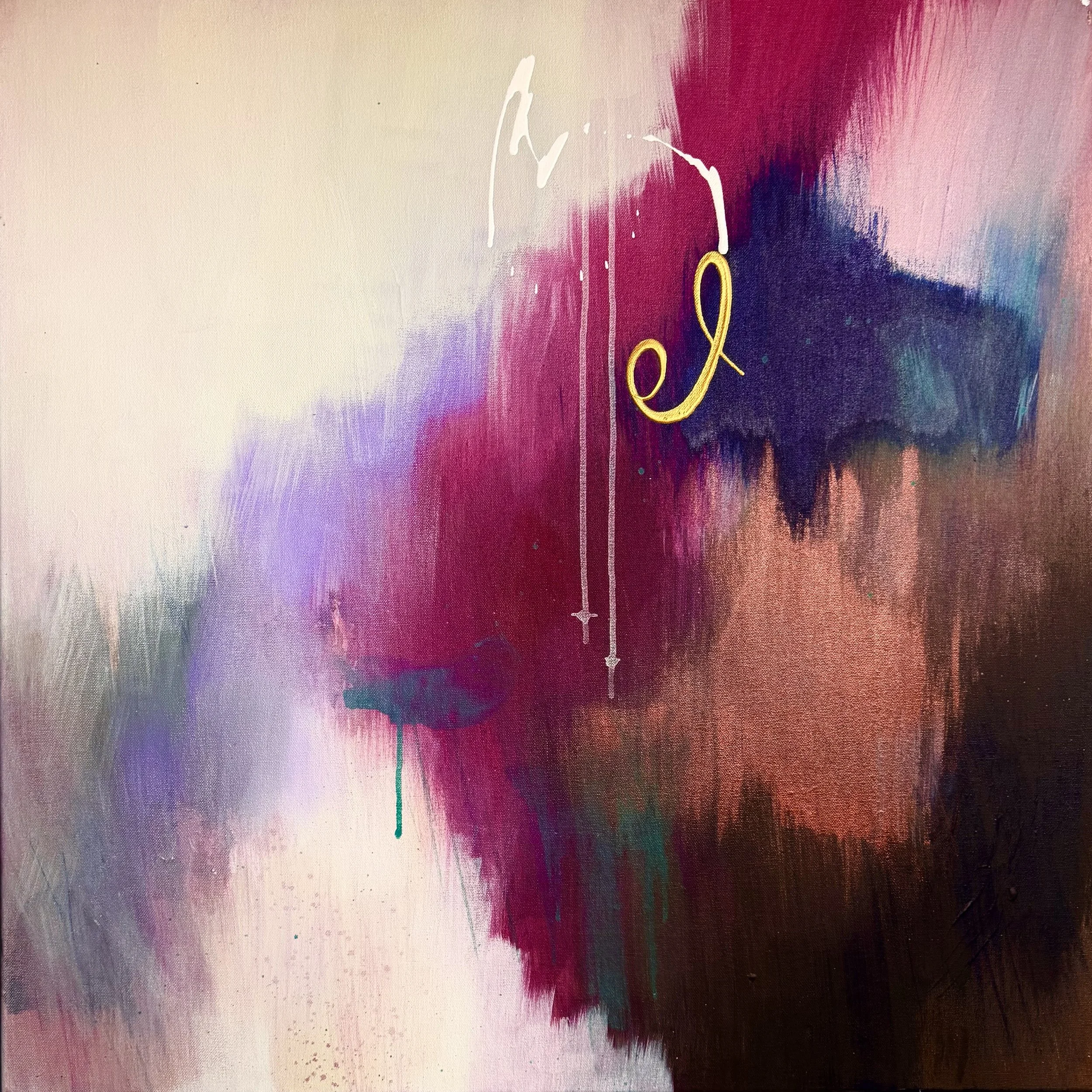
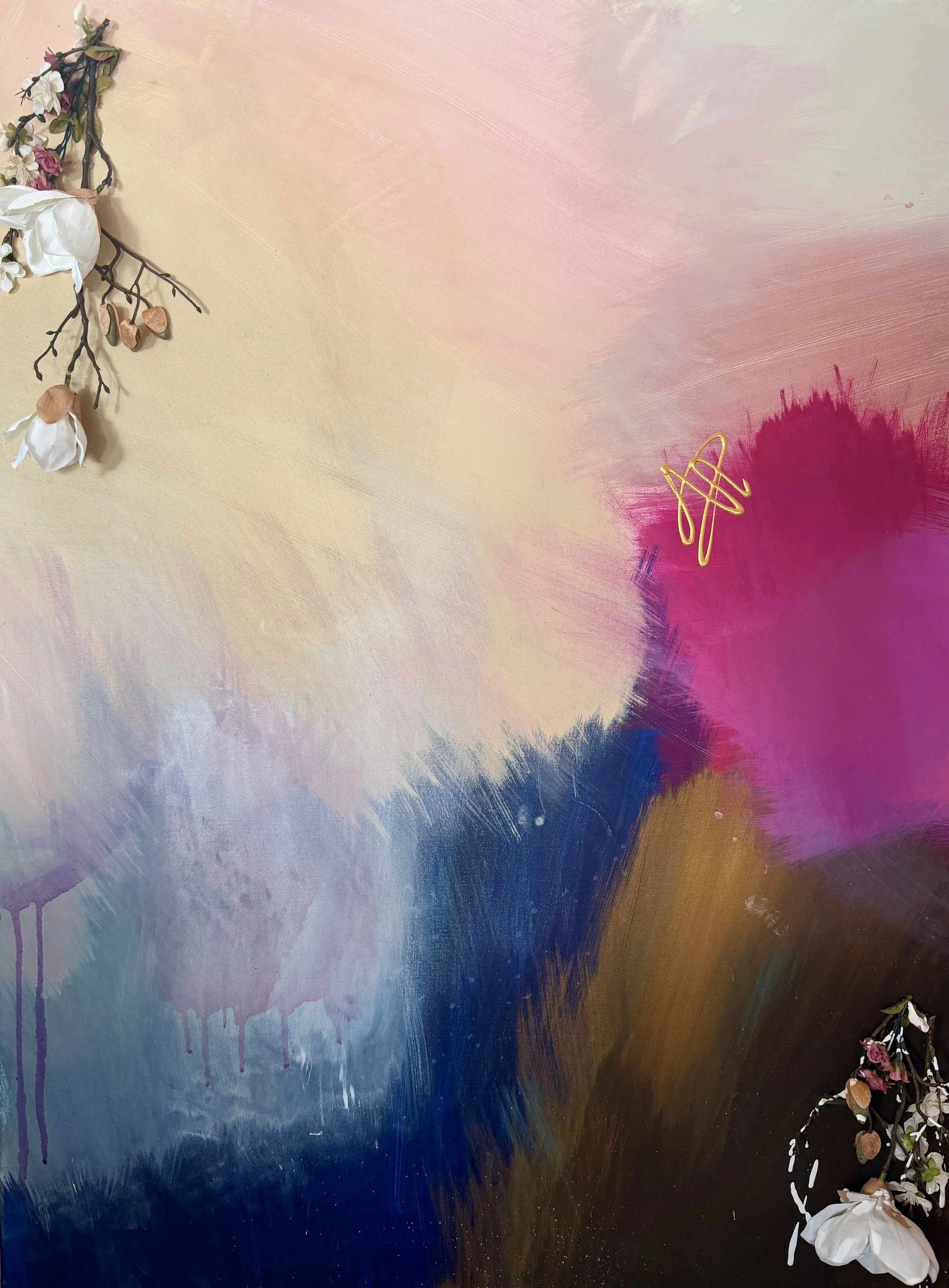
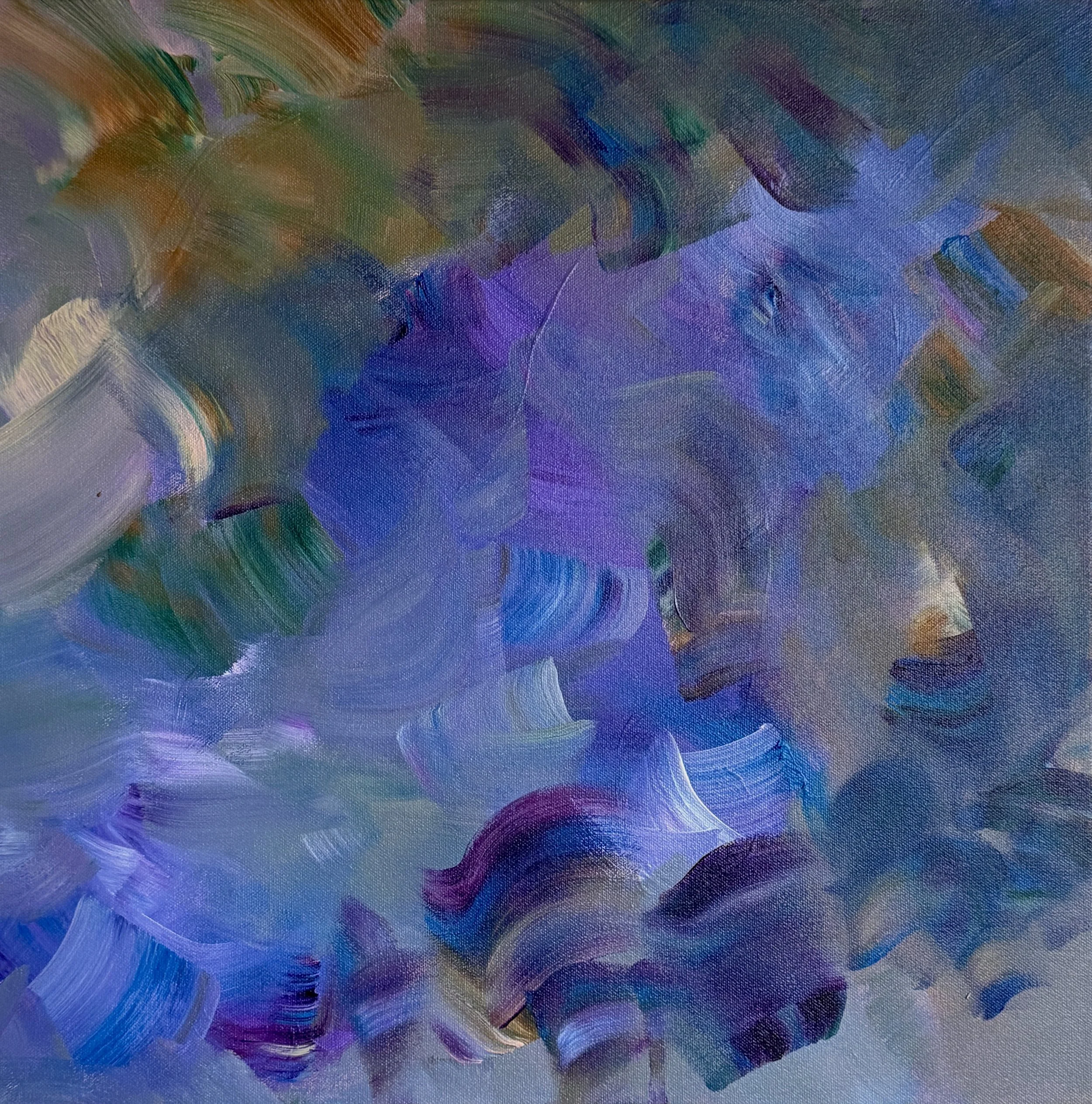
Painting Poetry
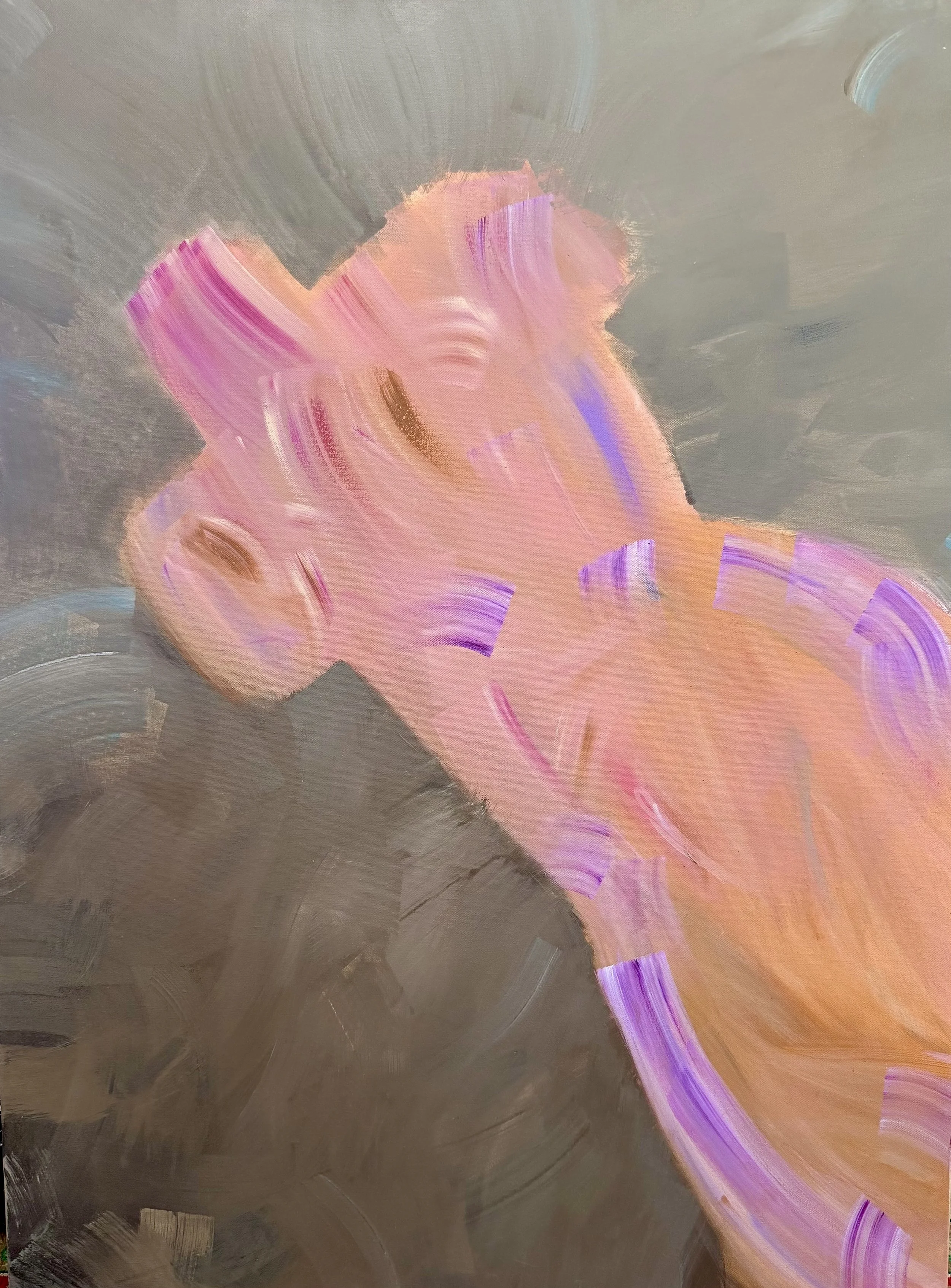
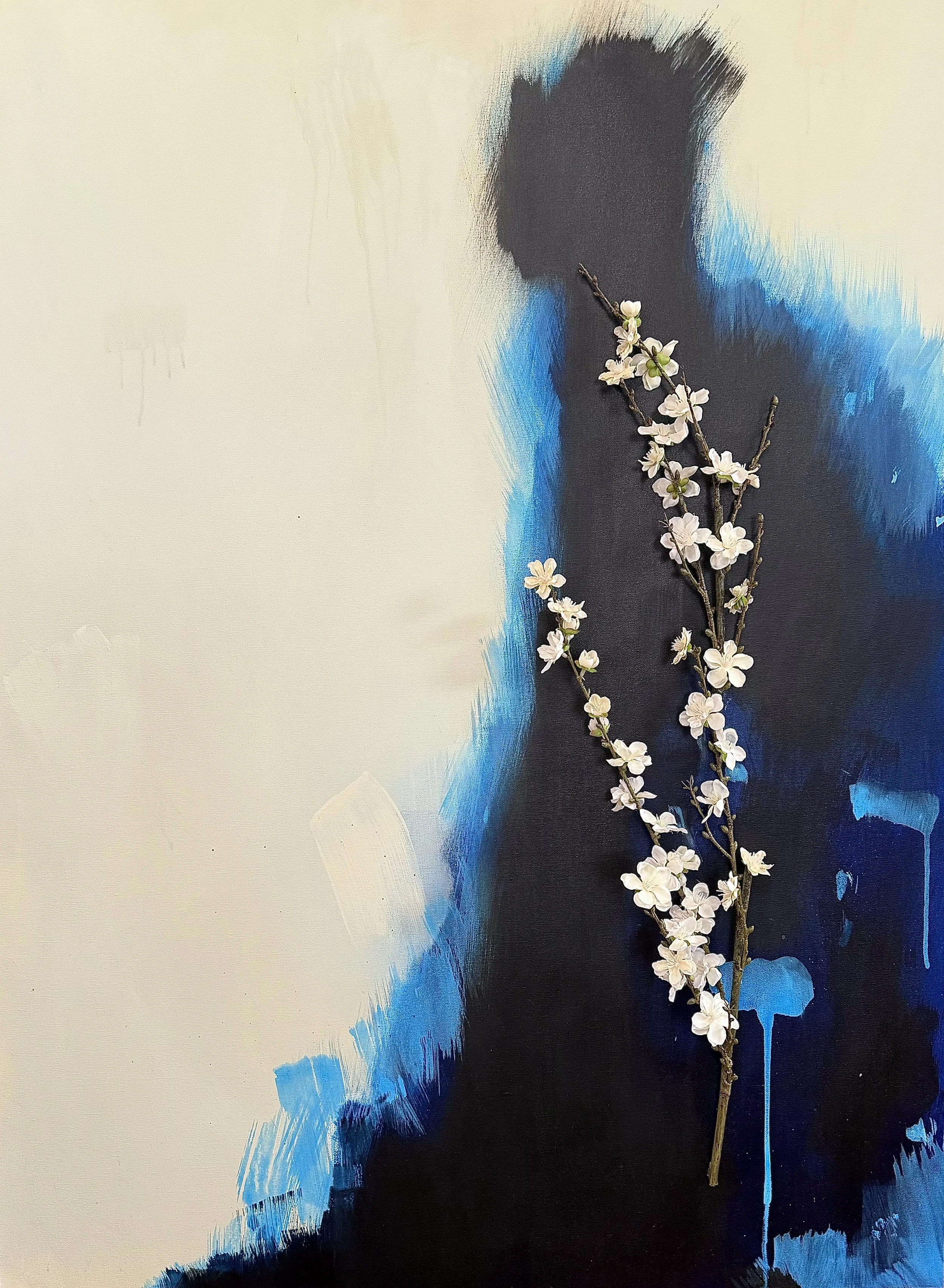
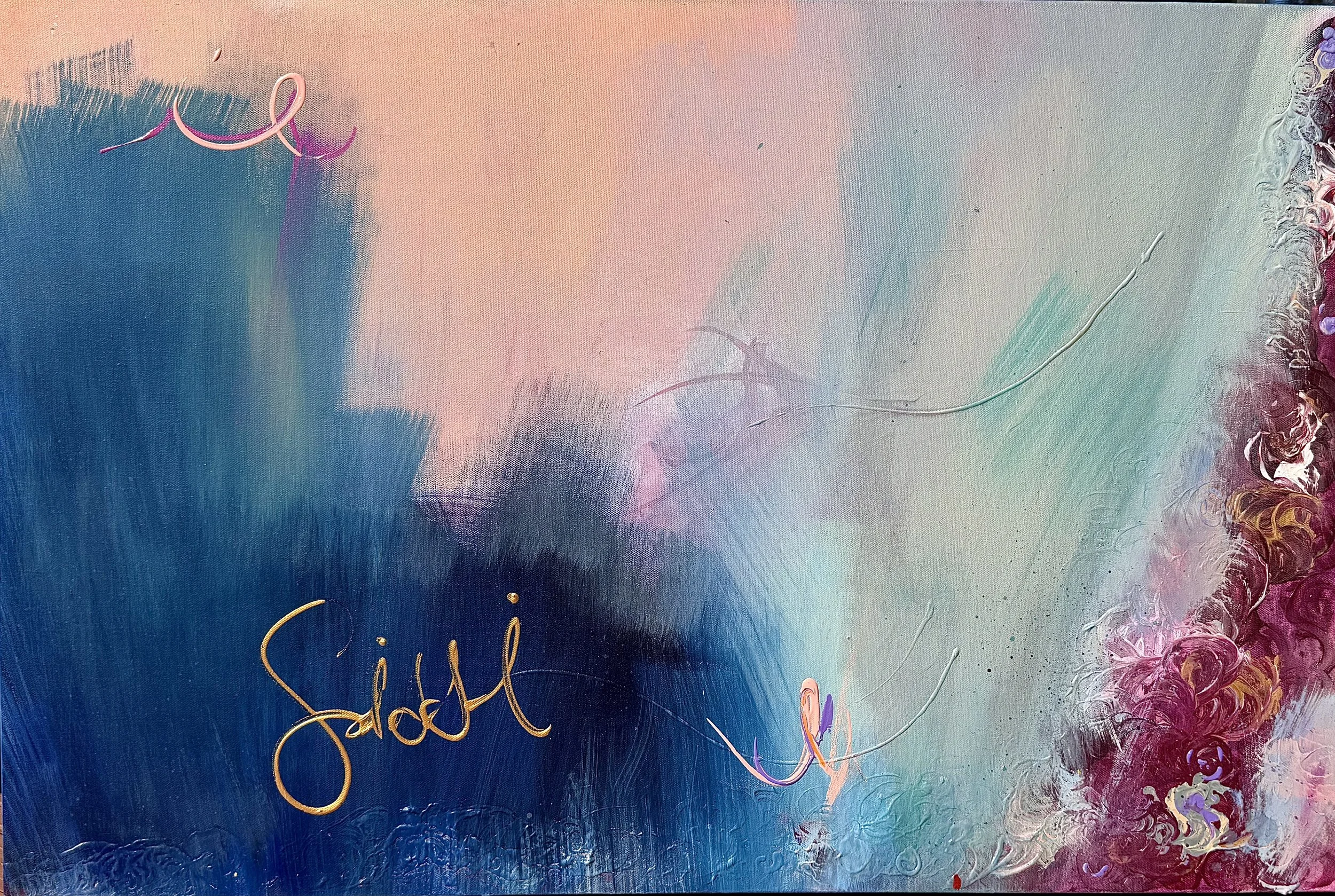
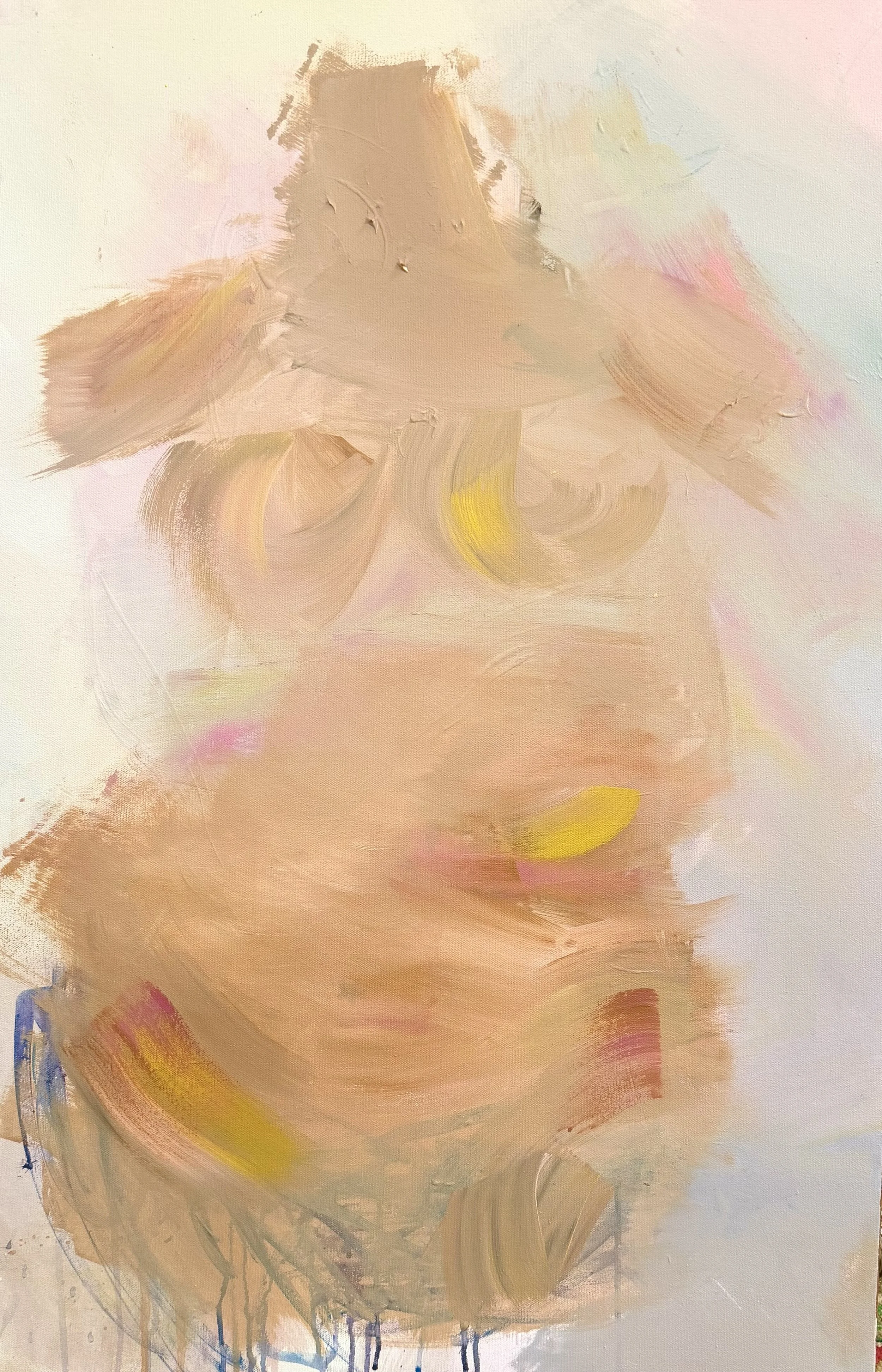
Painting Poetry grew from AdorVita’s sustained study of German-language art, poetry, literature, psychology, and culture as a form of artistic education. Through Goethe, Rilke, Schiele, Jung, and Schnitzler, she explored how artists and thinkers transformed sensuality, spirituality, mortality, fantasy, contradiction, language, and the human body into artistic form—not to imitate their work, but to understand more deeply what an artist could be.
Developed through travel to Weimar, Zurich, Berlin, and Vienna, the collection brings this historical study into contact with lived experience. These influences pass through AdorVita’s own visual language of abstraction, bodily mark-making, poetry, multilingual text, music, and color, allowing intellectual inquiry and personal experience to continually reshape one another.
In Vienna, the collection turns from cultural inheritance toward culture being created in the present. The painting Maria Kalashnikow marks this transition, reflecting an independent Viennese art scene in which music, visual art, fashion, film, performance, and language move fluidly between disciplines. Within this landscape, AdorVita positions Austrian artist Apollo Sissi as a significant figure in the future of German-language culture. His multidisciplinary practice represents a language and artistic culture kept alive not through preservation alone, but through reinvention—through contemporary speech, music, image, style, collaboration, and independent production.
Ultimately, Painting Poetry is an exploration of artistic formation: what can be learned from the artists who came before us, what can be recognized in those creating alongside us, and how those encounters can be transformed into a visual and philosophical language of one’s own.